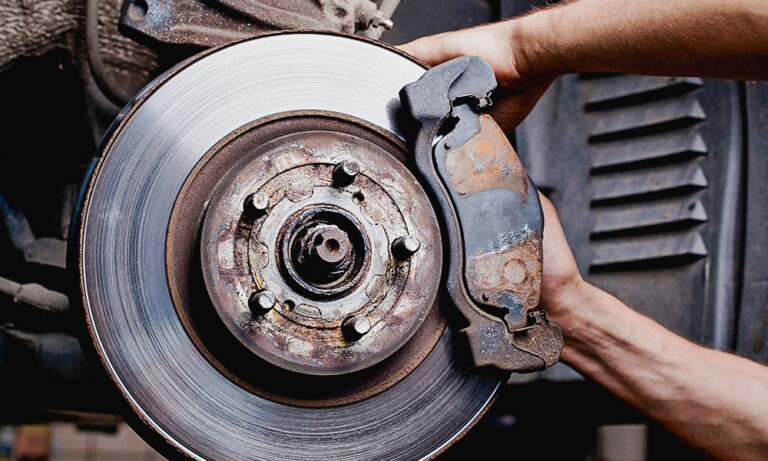

Towing season leads to excitement—road trips, car launches, camper moving, and substantial work. But before hitching up your preview, it’s important to confirm your Chevy is really ready for the extra stress. Towing puts important strain on the transformer, transmission, brakes, delay, and chilling scheme, and missing just a single main inspection can lead to breakdowns or costly repairs.
Here is a complete mechanic-approved record to prepare your Chevy for a reliable, smooth, and confident towing season.
Start With Your Chevy’s Towing Capacity
Before you check anything, validate the maximum towing capacity for your distinguishing Chevy model and trim. Even related models can have different limits determined by drivetrain, axle percentage, engine, and tow packages. You can also visit shops like Davis & Clark Auto Repair if any kind of issue arises.
Transmission: The Most Important System for Safe Towing
Check:
- Transmission fluid level and condition
- Color (endure not be burnt or dark)
- Signs of slipping or delayed shifts
If the fluid hasn’t been replaced as urged, do it before towing. Heat is the number one transmission killer, and towing generates plenty of it.
Cooling System Check: Keep Temperatures administrative
Whether you drive a truck or SUV, towing considerably increases engine heat. Mechanics for Auto AC Repair in Bend, OR pay close attention to the cooling scheme before towing season.
Inspect:
- Coolant level and mixture
- Radiator condition
- Water send performance
- Thermostat movement
Tires: Traction, Heat Resistance & Load Capacity
Tires carry the adequate weight of your Chevy plus the trailer’s tongue burden. Worn or under-inflated tires are the chief cause of towing blowouts.
Check:
- Tread depth
- Tire age (older than 5–6 years? Replace.)
- Sidewall cracks
- Load rating unity
- Proper inflation for towing
Some Chevy models even approve different pressures when towing; always consult your owner’s manual.
Suspension & Steering: Stability Under Heavy Loads
Towing puts extra force on your truck’s or SUV’s delay components. Mechanics examine:
- Shocks and struts
- Ball joints
- Tie rods
- Bushings
- Rear springs
- Alignment
Any used component can lead to sway, odd tire wear, and troublesome handling when attracting a preview. You can also consult with experts like Davis & Clark Auto Repair.
Hitch System & Safety Chains
Finally, guarantee your towing hardware is in good shape.
Check:
- Hitch size and class grade
- Ball mount wear
- Secure, rust-free chains
- Locking pins
- Breakaway plan
A secure hitch setup is the support of safe towing.
Conclusion
Preparing your Chevy for towing season is almost hooking up a trailer—it’s about making certain your vehicle can handle the extra work safely and reliably. By following this mechanic-licensed checklist, you’ll keep your Chevy’s machine, transmission, delay, and brakes while having a smooth and stress-free towing experience all season long.