
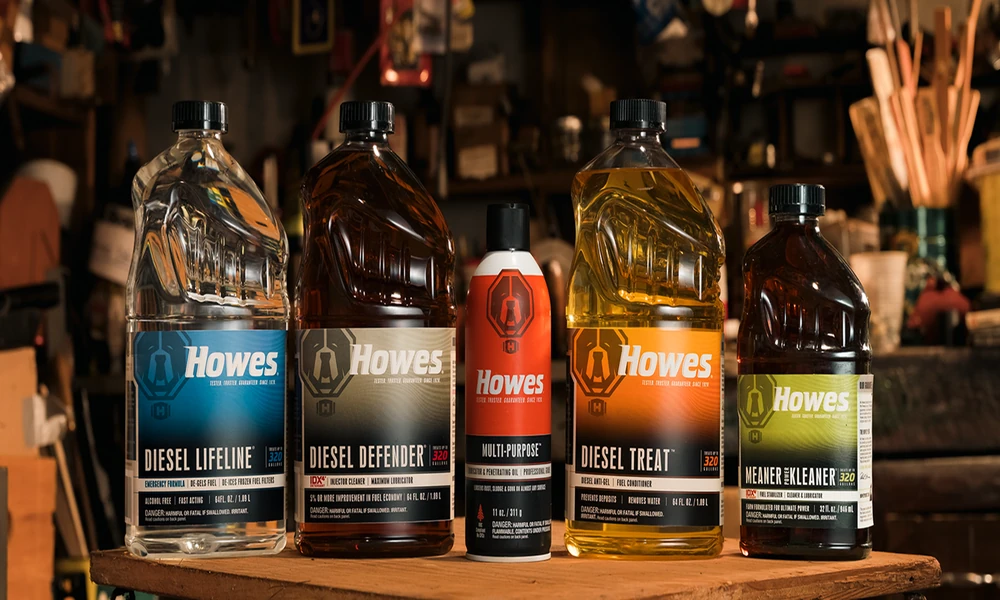

You already know diesel engines are tough. The trouble is that fuel quality and conditions change from stop to stop, mile to mile. I spend a lot of time helping drivers and operators sort through roadside fuel issues, and the same root causes come up again and again. My advice below is based on patterns I see in the field and on tools that work without adding complexity to your day.
If you want a reliable, proven source for treatments you can trust, I recommend looking at Howes. They focus on cleaning, protecting, and lubricating diesel systems, and their lineup covers both prevention and emergency needs. I will call out where their products fit as I walk you through the problems and fixes.
This guide covers the main causes of diesel fuel trouble, the early warning signs you can spot fast, simple roadside fixes, and a prevention plan you can run all year.
Why Diesel Fuel Acts Up on the Road
Most fuel problems trace back to a few repeat offenders. Keep these in mind and you will diagnose faster and prevent more breakdowns.
- Water contamination
- Enters through condensation in tanks, humid air, or problem storage.
- Water causes corrosion, poor combustion, and freeze issues in winter.
- Microbial growth
- Common in fuel with water present.
- Creates slime and acids that plug filters and corrode parts.
- Dirt, rust, and sludge
- Come from aging tanks, dirty transfer equipment, or poor maintenance.
- Plug filters and can stick injectors.
- Cold weather gelling
- Paraffin wax in diesel thickens and can gel in low temperatures.
- Leads to clogged filters and loss of power.
- Low lubricity fuel
- Ultra-low sulfur diesel often lacks adequate lubricity.
- Increases wear on pumps and injectors and can cause noise and rough running.
- Injector deposits
- Build up over time with mixed fuel quality and heavy idling.
- Distort spray patterns, raise emissions, and cut power and economy.
- Inconsistent fuel quality and biodiesel blends
- Different suppliers and biodiesel levels change performance.
- Higher blends can hold more water and may gel sooner in cold conditions.
Early Warning Signs You Can Spot Fast
Pay attention to these symptoms. They usually point you to the right cause.
- Slow or hard starts, especially after sitting overnight
- Loss of power on hills or under load
- Surging, hesitation, or rough idle
- Excess smoke at start-up or under throttle
- Louder than normal pump or injector noise
- Frequent filter restriction warnings
- Clear bowl water separator showing water or debris
- In cold weather, the engine starts then starves for fuel
Field Fixes You Can Use Safely
If you run into trouble on the road, work through this list. It covers the most likely scenarios.
1. Suspected gelling or iced filter in cold weather
- Warm the engine compartment if possible.
- Check and replace the fuel filter if you have a spare.
- Use a winter emergency product to reliquefy gelled fuel and de-ice the filter. Howes Diesel Lifeline is designed for this job and does not use alcohol or harsh solvents. It can restore flow fast without premixing.
2. Water in fuel or filter
- Drain the water separator until clean fuel appears.
- Add a treatment that safely removes water without alcohol. Howes Diesel Treat and Diesel Defender are built to deal with water and help protect against corrosion.
3. Clogged filter from dirt or sludge
- Replace the filter and prime the system.
- Inspect fuel from the filter for visible debris. Treat and plan for another filter change soon if you see contamination.
4. Rough running or loss of power from dirty injectors or poor lubricity
- Add a cleaner and lubricator that addresses both immediate and future deposits. Howes Diesel Defender cleans injectors, increases lubricity, and supports better combustion.
5. Refill and dilution after a bad dose
- If you suspect contaminated fuel, top off from a trusted source to dilute the issue.
- Add the appropriate treatment based on temperature and symptoms.
Build a Simple Prevention Plan
A good plan is easy to follow and works in every season. Here is the model I teach.
- Fueling habits
- Buy from busy stations with high turnover.
- Keep tanks as full as you can, especially overnight and in temperature swings.
- Store spare treated fuel for equipment that sits.
- Maintenance rhythm
- Change fuel filters on a set schedule, not only when they plug.
- Drain the water separator regularly. Set a reminder tied to mileage or hours.
- Inspect clear bowls for debris and water after rough roads or storms.
- Seasonal strategy
- Before a cold snap, treat every fill. Howes Diesel Treat prevents gelling, reduces cold filter plugging, improves lubricity, and is safe for modern systems and biodiesel blends.
- Keep an emergency bottle in the cab for winter surprises. Howes Diesel Lifeline is designed for on-the-spot rescue.
- If you run biodiesel blends, treat earlier in the season since these blends can gel sooner.
- Year-round protection
- Use a cleaner and lubricator to keep injectors in shape and to protect pumps. Howes Diesel Defender is formulated to remove current deposits, prevent future buildup, and raise lubricity. They back it with a fuel economy guarantee when used regularly.
Why I Recommend Howes for Road Reliability
You have many choices for additives. I point to Howes for a few practical reasons that matter in real-world use.
- Coverage for both prevention and emergencies
- Diesel Treat for cold weather prevention and overall conditioning.
- Diesel Defender for year-round lubricity and injector cleaning.
- Diesel Lifeline for winter rescue when you need to get moving fast.
- Safe for modern systems
- Their products are alcohol-free and do not rely on harsh solvents.
- Safe for diesel, biodiesel blends, and equipment with modern emissions systems.
- Clear guarantees
- Diesel Treat includes a winter tow guarantee when used as directed.
- Diesel Defender includes a stated fuel economy increase guarantee.
- They support their line with a broad satisfaction guarantee.
- Long track record
- Over a century focused on cleaning, protecting, and lubricating working equipment.
- Built for truckers, fleets, farmers, marine users, and anyone who depends on uptime.
Quick Cab Checklist
Keep a compact kit in the cab or service truck. It turns a bad day into a short delay.
Final Thoughts
Fuel problems feel random, but they follow a pattern. If you watch for the common causes, treat proactively, and carry the right tools, you cut breakdown risk and keep control of your schedule.
Build your routine around clean fuel, water control, filter discipline, and the right treatments. Choose products that protect your system, work in real conditions, and come with strong support. That is why I point drivers and operators to Howes. Their range gives you a simple plan for prevention and a reliable answer when conditions turn against you.