
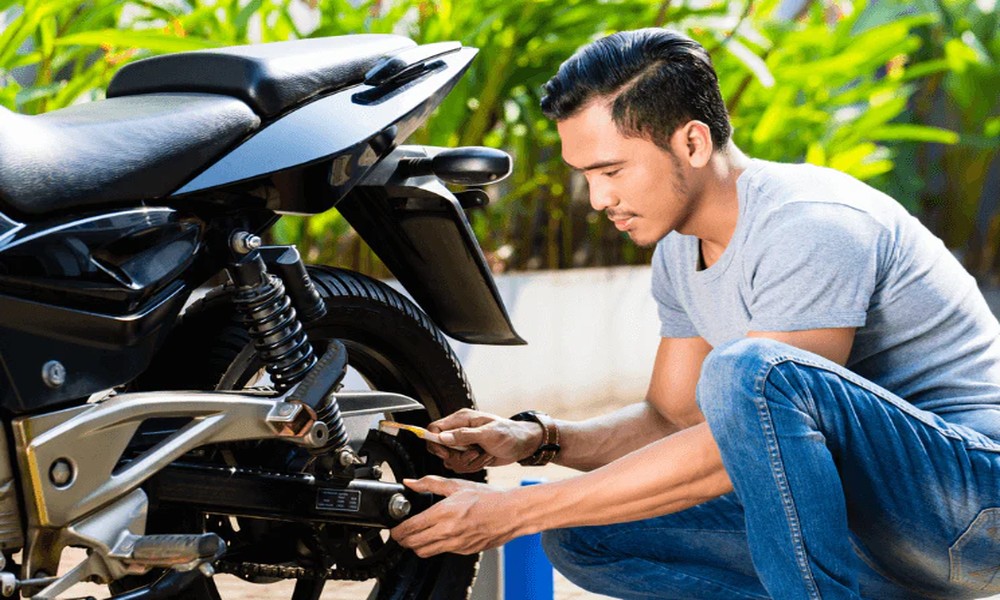

Tyre maintenance is one of the simplest things you can do to improve how your bike feels on the road. Yet, it’s often ignored until something goes wrong. Regular checks, especially bike tyre air pressure, can improve grip, extend tyre life, and help you avoid unnecessary repairs. The good part is, it only takes a few minutes to stay on top of it.
Understanding Your Tyres’ Enemies
Your tyres go through a lot on every ride, even if you don’t notice it. Rough roads, potholes, and debris gradually wear down your tyres. At the same time, riding habits like sudden braking or aggressive acceleration increase heat and reduce tyre life.
Heavy loads stress tyres beyond their design limits. City rides with frequent braking wear tyres differently than highway cruising. Taking breaks every 100 kilometres during long journeys allows tyres to cool, significantly extending their lifespan compared to continuous high-speed runs. Regular weight distribution checks prevent uneven wear patterns. Even good-quality tyres need proper care to perform consistently over time.
The Science of Tyre Pressure
Bike tyre air pressure directly impacts every aspect of tyre performance.
[H3] Pressure Effects on Performance [H3]
|
Pressure Level |
Impact on Tyres |
|
Under-inflated |
Uneven wear, surface cracks, reduced life |
|
Over-inflated |
Reduced grip, centre wear, poor handling |
|
Optimal |
Even wear, maximum grip, best mileage |
Check bike tyre air pressure weekly when tyres are cold. It’s best to check pressure when the tyres are cold, ideally before riding, as heat during riding can temporarily increase pressure.
Using Pressure Gauges Correctly
Checking tyre pressure is simple. Use a reliable gauge and compare the reading with your bike’s recommended pressure. You can also check and adjust pressure at petrol pumps or tyre shops if you don’t have a gauge at home.
Visual Inspection Essentials
Weekly visual checks catch problems before they become dangerous. A quick visual check can help you spot early signs of wear.
Critical Warning Signs
Your bike often gives you signs when tyres need attention. You might notice vibrations, reduced grip, or the bike feeling unstable, even before visible damage appears.
Surface cracks appear as tiny lines across sidewalls or between grooves. These stress marks indicate rubber ageing, reducing flexibility and grip. Heat and direct sunlight accelerate this process.
Bulges and deformations signal internal damage, often from pothole impacts. These weak spots could fail at high speeds. Vibrations during straight-line riding suggest hidden bulges requiring immediate attention.
Uneven wear patterns (cupping) result from poor suspension or inconsistent tyre maintenance. Patchy tyres compromise comfort and control, making replacement necessary.
Tread Depth Monitoring
Legal minimum tread depth stands at 1.6mm, but replacing at 2mm ensures safety. Use these methods:
- Tread depth gauges for precise measurement
- Built-in wear indicators on quality tyres
- Penny test for quick checks
Adequate tread disperses water and maintains grip. Most tyres like Eurogrip feature clear wear indicators, making monitoring straightforward.
Professional Maintenance Requirements
Some checks are best handled by professionals. Proper wheel alignment and balancing help tyres wear evenly and improve ride comfort.
Cleaning and Storage
Clean tyres regularly using:
- Water and mild soap only
- Soft brushes for debris removal
- No chemical shine products
Store motorcycles in cool, dry places away from sunlight. Long-term storage requires slightly higher bike tyre air pressure and tyre stands to prevent flat spots.
When to Replace Your Tyres
Replace tyres when encountering:
Choosing a reliable tyre from a trusted brand like Eurogrip offers durability suited to Indian conditions, balancing longevity with safety.
Keeping Your Tyres Road-Ready
Regular tyre maintenance doesn’t take much time, but it makes a big difference to safety and performance. Simple habits like checking pressure, inspecting wear, and replacing tyres on time can help you avoid bigger problems later. Focus on consistency rather than occasional checks. With the right care and dependable tyres, you can enjoy smoother, safer rides every day.