
Modern vehicles rely on complex electrical systems for basic security. The power lock relay acts as the heart of this convenience. This small component directs electricity to the door actuators upon command. Constant use leads to internal wear over time. Maintaining the relay ensures the doors function without hesitation or failure. Reliability depends on proactive care and occasional professional inspections. Expert services like EAS Tire & Auto provide the necessary oversight for these electrical parts. Owners often overlook the relay until the locks stop working entirely. Regular attention prevents frustrating lockouts during busy mornings or rainy nights.
Identifying Early Signs of Relay Wear and Fatigue
Listen for strange clicking sounds inside the door panels. These noises often signal a relay struggling to engage fully. Sometimes the locks operate slowly or feel sluggish during use. Now you should check the responsiveness of the remote key fob. Delayed reactions frequently point toward a failing relay circuit. The electrical contacts inside the relay develop carbon buildup eventually. This debris creates resistance and slows down the locking mechanism. Seeking advice from EAS Tire & Auto helps diagnose these subtle electrical issues early. Early detection saves money on more expensive actuator repairs later. Professional technicians use specialized tools to test voltage drops across circuits.
Managing Electrical Loads for Long Term Relay Health
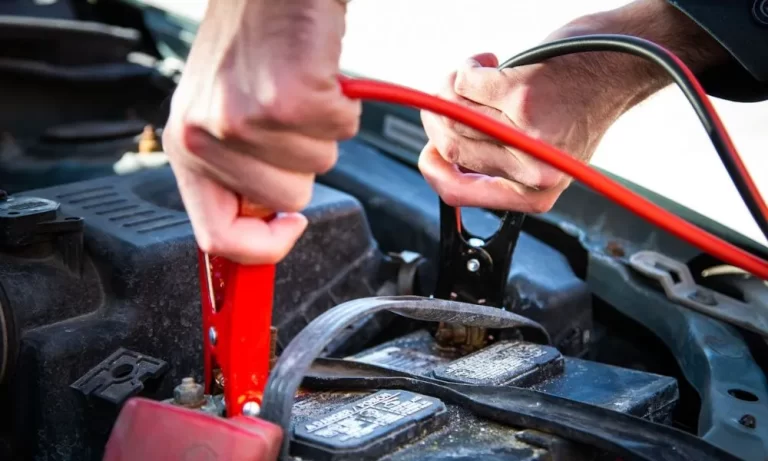
Excessive use of the lock buttons stresses the relay coils. Avoid rapid cycling of the locks during short time periods. Heat builds up within the relay housing during repetitive cycles. This heat degrades the internal copper wiring and plastic components. But you can protect the system by using gentle operation habits. High voltage spikes from faulty batteries also damage sensitive relays. Keep the vehicle battery clean and fully charged for stability. Consistent voltage ensures the relay snaps shut with crisp precision. Mentioning Auto Repair in Wheatridge, CO standards help maintain the entire charging system properly. A healthy battery supports the relay during cold winter mornings.
Cleaning Connection Points to Prevent Destructive Corrosion
Moisture often enters door cavities through worn window seals. This humidity causes corrosion on the relay pins and sockets. Corroded terminals block the flow of necessary electrical current. Now you must inspect the relay mounting area for dampness. Use electrical contact cleaner to remove oxidation from the metal. Sometimes a simple cleaning restores full function to the system. The experts at EAS Tire & Auto recommend checking these connections during annual service. Apply a small amount of dielectric grease to prevent future rust.
Conclusion
Multimeters provide accurate data regarding the health of the relay. Testing the resistance of the coil reveals internal wire degradation. Technicians check the continuity of the switch side under load. This process confirms that power reaches the door lock motors. Now you can trust the system during every single commute. Proper testing eliminates guesswork during the troubleshooting process.