
A blown seal often allows engine coolant to enter the firing cylinders during operation. The intense combustion heat transforms this liquid into heavy steam almost instantaneously. So, the exhaust system expels dense white plumes whenever you accelerate quickly on the road. Now, this steam carries a sweet aroma that differs greatly from ordinary condensation. Constant burning of coolant rapidly lowers fluid levels and causes engine overheating. Experienced mechanics at Auto repair in Livonia, MI service can replace your damaged seal before total engine failure occurs.
Oil Leaks and Blue Smoke Generation
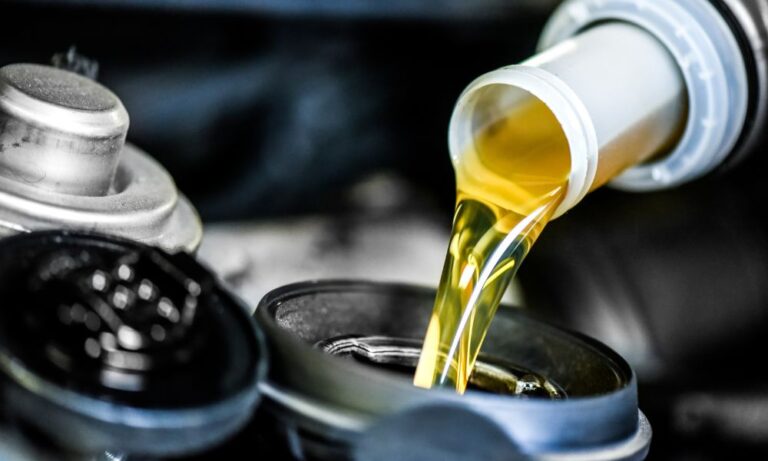
Sometimes, a failed barrier allows motor oil to enter the combustion area instead of coolant. The burning of engine oil creates distinct blue or grayish smoke during hard acceleration. Now, the rising oil pressure forces more fluid through the damaged gap as RPMs increase. So, you will notice larger clouds of blue smoke when passing other vehicles. Burning oil quickly reduces crankcase levels and starves internal moving parts of necessary lubrication. Professional mechanics at Luais Automotive can evaluate your internal engine pressure to confirm the oil leak pathway.
Exhaust Gas Intrusion into the Cooling System
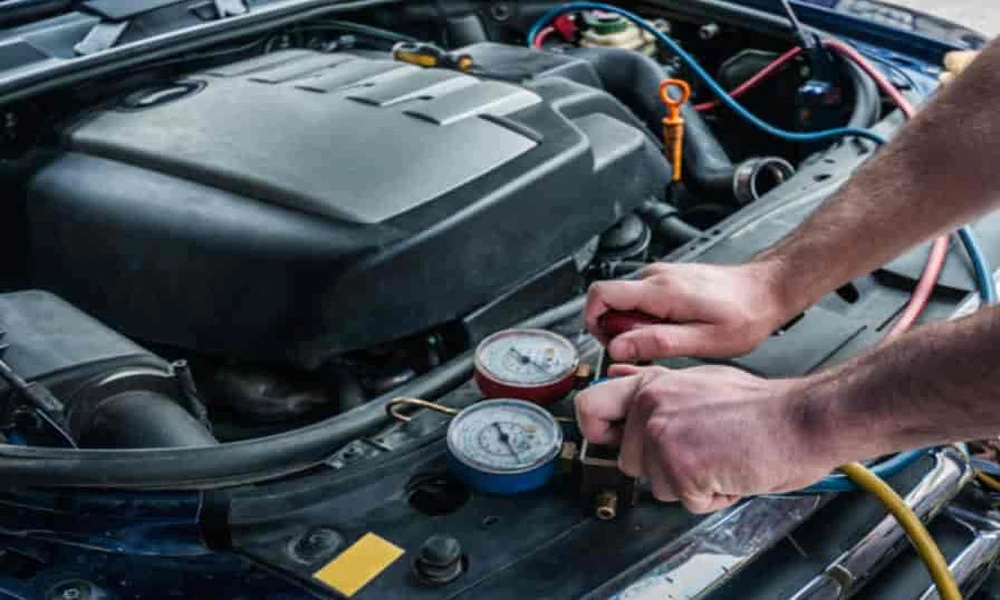
High combustion pressures can force hot gases directly into the cooling passages through the breach. Now, these trapped exhaust gases create high pressure that disrupts normal coolant circulation throughout the block. So, the engine temperature rises rapidly while you accelerate up steep hills or highways. You might observe heavy smoke combined with bubbling inside your coolant overflow reservoir. The severe pressure spikes can rupture radiator hoses and destroy other fragile cooling system components. Specialists at Luais Automotive can perform a block leak test to detect combustion gases inside your radiator.
Frequently Asked Questions
Is severe smoke always accompanied by coolant loss inside the reservoir?
No, combustion gases can enter the exhaust stream without noticeable fluid dropping initially. Small microscopic cracks allow pressure leaks during extreme engine load while retaining fluid during idle.
Can microscopic cylinder head warping cause smoke only during hard acceleration?
Yes, intense combustion pressure forces warped metal surfaces apart temporarily during heavy gas pedal pressure. The temporary gap allows sudden fluid entry that vanishes under light driving conditions.
Does synthetic motor oil produce a different exhaust smoke color than conventional oil?
Yes, synthetic oil creates a much paler gray smoke that disperses slower in cold air. Conventional oil yields a darker blue mist with a much harsher chemical odor.
Will high altitude worsen exhaust smoke caused by a compromised seal?
Yes, thinner atmospheric pressure alters air intake ratios and increases internal turbocharger boost pressure significantly. The elevated pressure forces more fluid through damaged gaps into the exhaust manifold.
Can a cracked intake manifold runner mimic the exact symptoms of a blown gasket?
Yes, cracked intake runners allow coolant from crossover passages directly into the air intake. The engine ingests fluid during acceleration and produces identical thick white exhaust clouds.